
The DIALECT research group is proud to highlight a new scientific publication led by DIALECT doctoral candidates Kamran Shakir and Hadi Sarlak, published in the Journal of Diabetes: “Advancing Diabetic Foot Ulcer Care: Focus on the Post-Healing Transition Phase.” This comprehensive review addresses an often-overlooked period immediately following the healing of a diabetic foot ulcer (DFU), offering new insights into how this phase influences recurrence risk and long-term outcomes.
About the Study
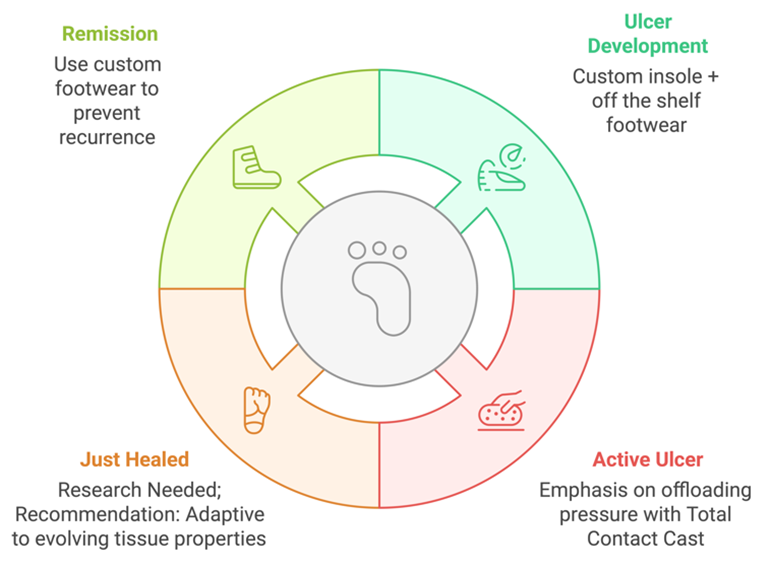
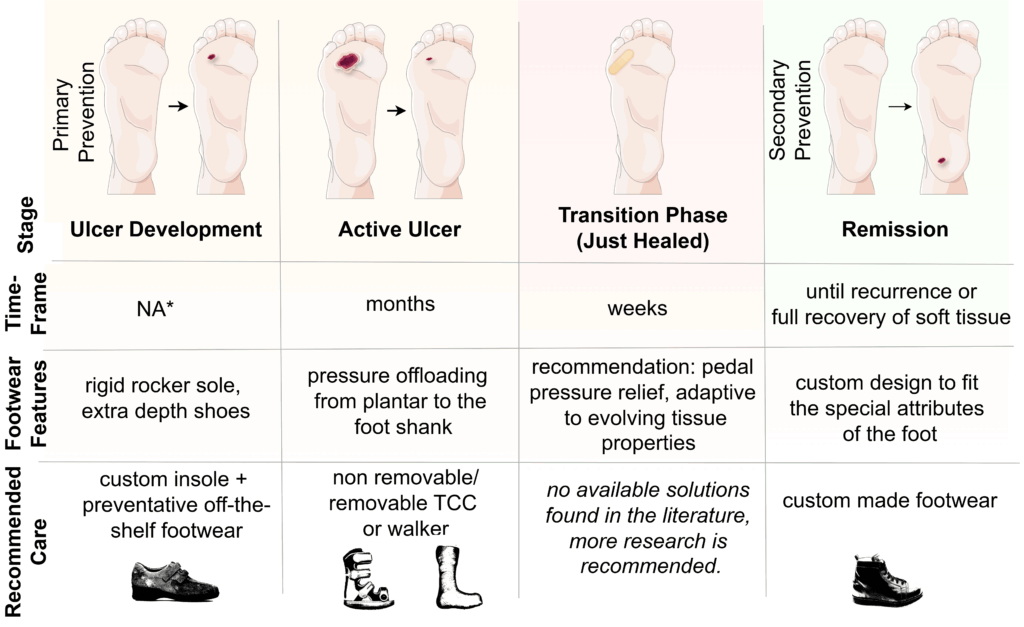
While a DFU is considered clinically healed once the wound has re-epithelialized and remains closed for approximately two weeks, growing evidence suggests that the underlying plantar tissues skin, fat pads, and connective structures remain physiologically vulnerable for several weeks after closure. In this publication, our doctoral candidates introduce and examine the concept of the “transition phase”: the critical period immediately after ulcer healing during which the foot remains highly susceptible to re-injury and re-ulceration.
Through a narrative review of 57 eligible studies, they synthesise current knowledge on tissue mechanics, recurrence patterns, risk factors, and existing offloading strategies to better understand how care practices can be improved during this fragile period.
Key Findings
The review highlights several important insights:
- High recurrence risk in early weeks: International data show that DFU recurrence is most common in the first few months after healing, suggesting that current prevention approaches may not sufficiently protect the recently healed foot during this vulnerable stage.
- Persistent tissue vulnerability during the transition phase: Even when the outer skin has healed, plantar soft tissues often remain stiff, thin, or weakened, especially in patients with diabetes-related neuropathy, making them less capable of withstanding mechanical stress.
- Lack of targeted offloading solutions: Existing offloading strategies focus largely on either the active ulcer phase or the long-term remission phase. No interventions specifically designed for the transition phase were found in the literature, despite its high risk of recurrence.
- Need for improved footwear and support: Evidence suggests that innovative, tailored offloading devices, potentially semi-custom or custom-made, could better protect the recovering tissue and reduce recurrence rates.
Why This Matters
DFU recurrence poses a major global health burden, contributing to high healthcare costs, diminished quality of life, and increased risk of amputation. By drawing attention to the transition phase, this study encourages a shift in clinical thinking from viewing ulcer healing as the endpoint, to recognizing it as a gateway to a prolonged recovery process.
The doctoral candidates argue that a deeper understanding of plantar tissue mechanics, better risk stratification, and the development of transition-specific offloading solutions are essential to reducing recurrence rates and advancing preventive care.
Recognizing Contributions
This publication represents a significant contribution from DIALECT early-stage researchers Kamran Shakir and Hadi Sarlak, supported by co-authors Sicco A. Bus, Giulia Rogati, Alberto Leardini, Lisa Berti, and Paolo Caravaggi. Their collaborative work advances the field of diabetic foot research and aligns closely with DIALECT’s mission to improve the prevention and management of diabetes-related lower extremity complications.
Read the Full Study
The article is openly accessible in the Journal of Diabetes: Read here
We congratulate them on this impactful publication and look forward to future contributions supporting innovation in diabetic foot care.