

Seeing who is truly at risk
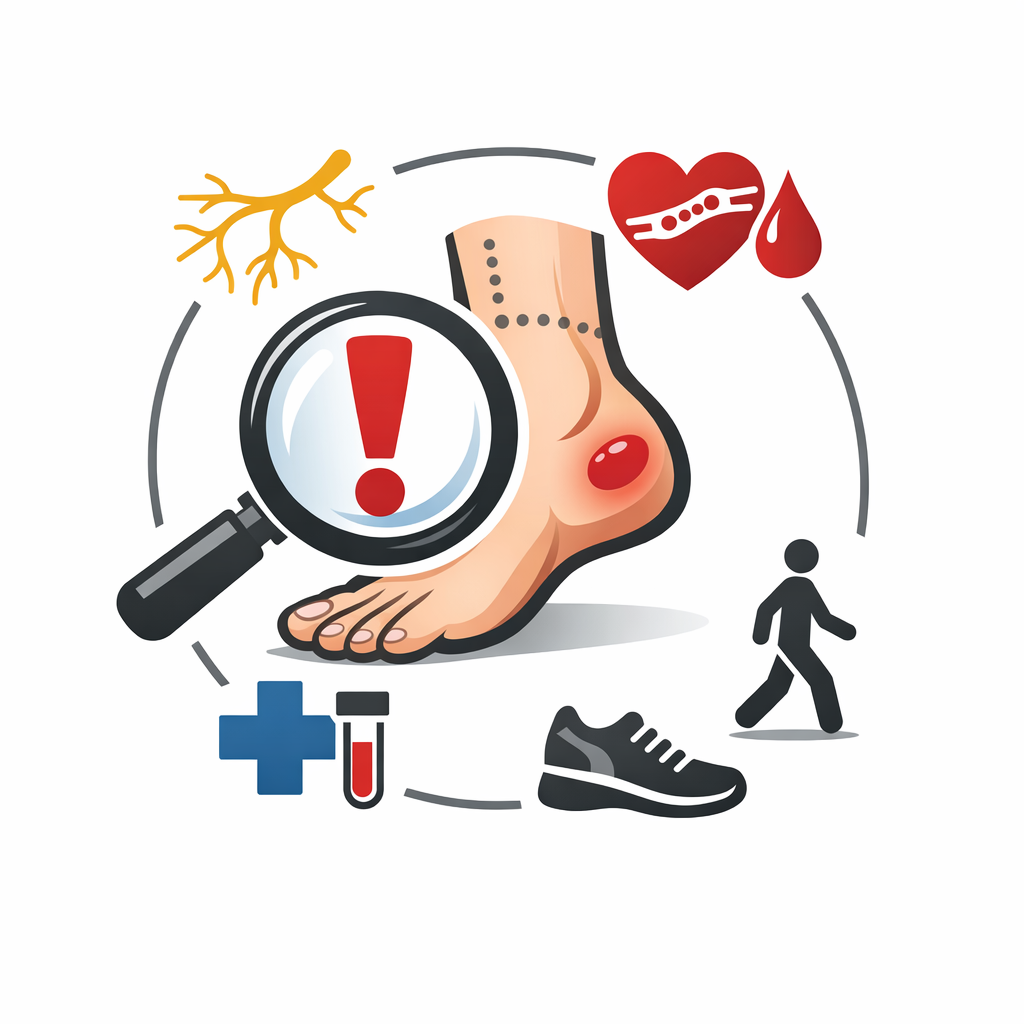
For many people with diabetes, foot ulcers and amputations are life-changing complications, yet it is still not always clear who is at greater risk. Abhilasha Akerkar wants to refine that picture through research that looks beyond the classic medical risk factors and also makes room for behaviour, movement, and other modifiable characteristics.
“What drives me is the desire to better understand why one person with diabetes develops foot problems and another does not. In current risk stratification, the focus is mainly on well-known medical factors, such as nerve damage, vascular problems, foot deformities or a previous ulcer. Those factors are important, but they do not tell the whole story. I believe we can only really move forward if we also pay attention to other factors, such as behaviour, physical functioning, mobility and other characteristics that may influence the risk of a foot ulcer or amputation.”
“At its core, this research is about prevention. If you know earlier who is vulnerable, there is more room to prevent problems instead of only intervening once damage has already occurred. A foot ulcer or an amputation often has a major impact on someone’s daily life, and that is exactly why it feels so important to learn how to predict where the risk lies more accurately.”
From knowledge to practice
“Ultimately, I want to work towards a personalised risk model that brings together different types of information, such as clinical data, laboratory values, anthropometric factors and behavioural characteristics. Such a model can help healthcare professionals tailor screening, guidance and treatment more closely to what someone needs. At the same time, it can give people with diabetes more insight into their own situation and into factors they may still be able to influence.”
“The impact I hope to make therefore lies not only in new knowledge, but above all in the step towards practice. I hope the outcomes of my research will ultimately be useful in the clinical setting, so that they can genuinely contribute to more personalised prevention of foot ulcers and amputations. Within DIALECT, I am working towards that step by step. The next studies will focus on developing and validating these kinds of models. At the same time, I deliberately seek exchange with clinicians and other researchers, because it is precisely in those conversations that it becomes clear what is needed to take research findings beyond publication alone. For me, the research is only truly valuable if it can ultimately mean something for care and for the people it is meant to help.”