

Understanding Charcot foot better
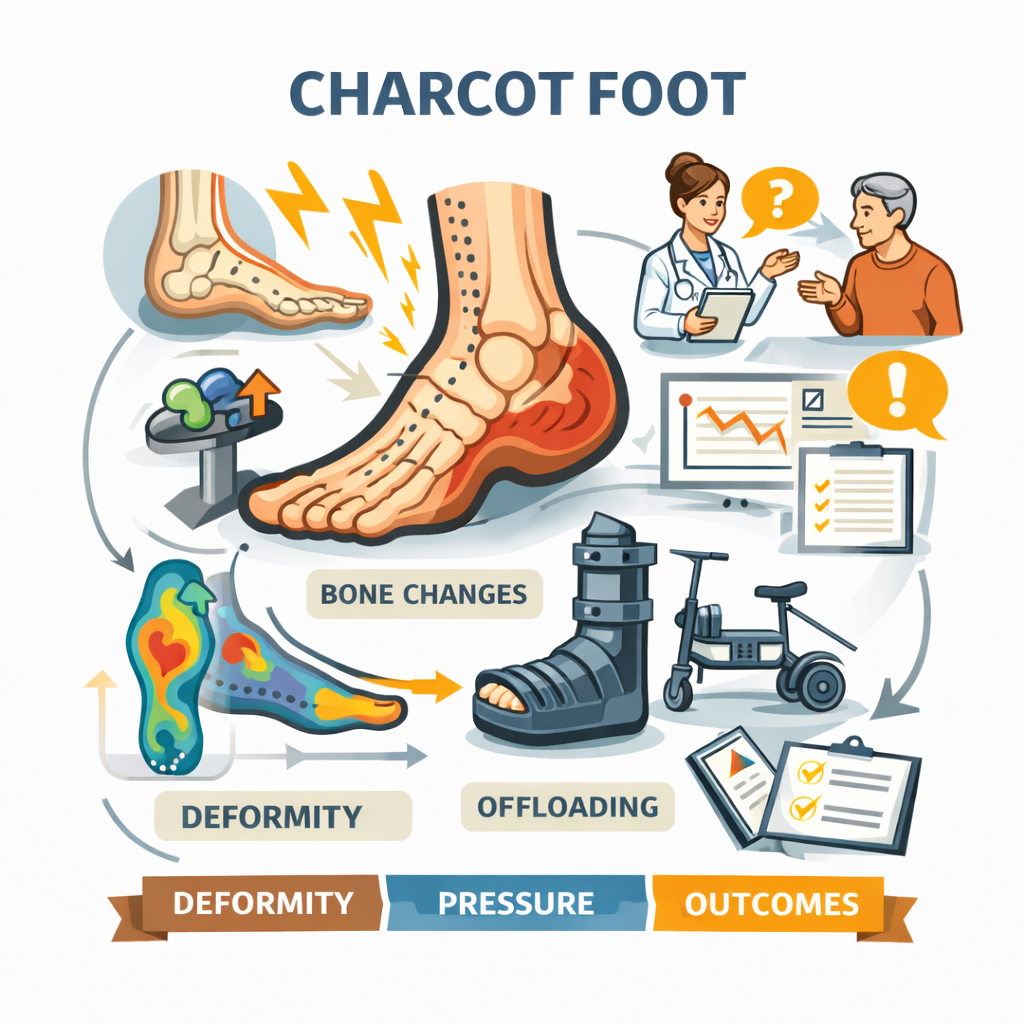
Charcot foot is one of the most severe complications of diabetes-related foot disease, but many aspects of how it develops and progresses are still unclear. Victoria Milbourn studies changes in foot structure and foot loading in Charcot foot, with the aim of improving understanding of the condition and contributing to better insight into deformity, ulceration and long-term outcomes.
“What drives me is the wish to contribute to a better understanding of Charcot foot, especially the changes in foot structure and foot mechanics that occur during the condition. At present, there is still considerable uncertainty for both healthcare professionals and people living with Charcot foot. The course of the condition can be difficult to predict. Some people may need offloading for several months, while others need much longer treatment, and the amount of deformity that develops can vary widely.
That uncertainty affects daily care and also the conversations clinicians can have with patients about treatment and expectations. I hope this work adds evidence on several aspects of Charcot foot, so that in the longer term there is a clearer basis for understanding what happens during the condition and what that may mean for care.”
Bringing different types of evidence together
“My research brings together several exploratory studies looking at imaging, bone markers, plantar pressure, epidemiology and clinical outcomes. Together, these studies aim to add evidence on different aspects of the condition, including changes in the structure of the foot, mechanical factors and longer-term outcomes for people living with Charcot foot.
One important part of the work is the mechanical side of the condition. Across the PhD, I study pressure under the foot, changes in pressure when offloading is used, and structural changes in the foot. In diabetic foot research, most mechanical evidence relates to foot ulcers, while similar data in people with Charcot foot are still limited. The findings from this work suggest that plantar pressure measurements may be a useful way of examining what happens in the foot during the course of the condition and when different offloading approaches are used.
Another part of the research focuses on clinical outcomes. Using data from the Glasgow multidisciplinary diabetes foot service, I study outcome patterns and factors associated with poorer outcomes. These include, for example, high foot risk status and chronic kidney disease. The aim is to use those findings as a starting point for discussion with the clinical team about the current care pathway for people with Charcot foot and whether there may be opportunities to adjust monitoring, management or data registration.”
From findings to discussion in practice
“The impact I hope to make lies in contributing to a clearer understanding of Charcot foot, both in research and in clinical care. Within DIALECT, one next step is to share and discuss the findings with the multidisciplinary diabetes foot service in Glasgow, first with the service leads and, if appropriate, with the wider team. The intention is not to evaluate the service, but to support clinicians in reflecting on their own data and considering whether it highlights opportunities for improvement.
In addition, I plan to share the biomechanical findings from the PhD with collaborators in the DIALECT network, particularly those involved in Charcot foot and diabetic foot disease research. One possible output from this work is a short proposal on how plantar pressure measurements could be included more consistently in future Charcot foot studies or collaborative data collection in specialist centres.
For me, the value of this research lies in helping to reduce uncertainty around a condition that is still poorly understood. I hope that by adding evidence on changes in foot structure, mechanical factors and long-term outcomes, the work can contribute to future research, collaboration and ultimately also to care for people living with Charcot foot.”