
The DIALECT research network is pleased to announce the publication of a new scientific article in Acta Diabetologica: “Current strategies and priorities for diabetic footwear design and production: a cross-European exploratory survey of clinicians and shoemakers.”
The study was led by DIALECT doctoral candidates Hadi Sarlak and Kamran Shakir, in collaboration with Giulia Rogati, Alberto Leardini, Lisa Berti, and Paolo Caravaggi.
About the Study
Therapeutic footwear plays a crucial role in preventing diabetic foot ulcers (DFUs), particularly for individuals at medium to high risk. While international guidelines recommend offloading footwear with custom-made insoles, limited evidence exists regarding how closely current industrial practices align with clinical expectations and scientific recommendations.
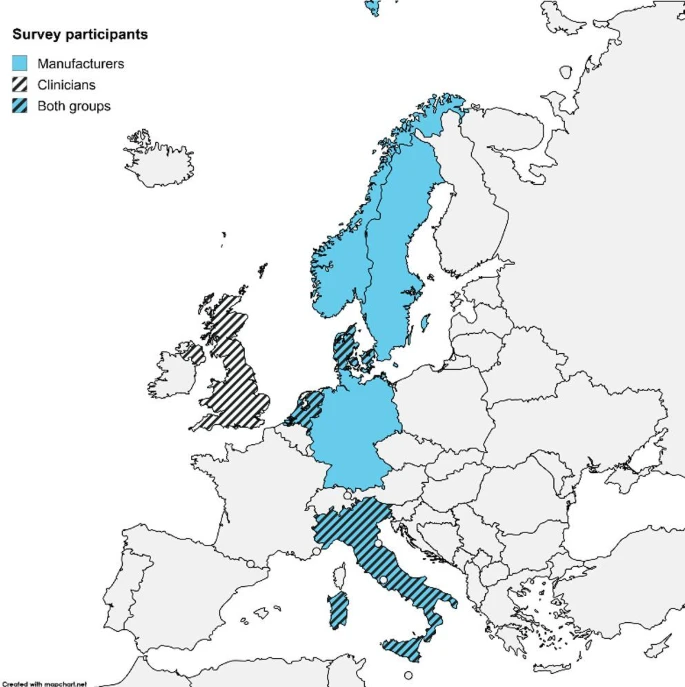
To address this gap, the research team conducted a cross-European exploratory survey involving diabetic footwear manufacturers and clinicians working in diabetic foot care. Two structured questionnaires examined design priorities, materials, innovation practices, sustainability, guideline adherence, and perceived barriers to patient use.
Key Findings
The review highlights several important insights:
- High recurrence risk in early weeks: International data show that DFU recurrence is most common in the first few months after healing, suggesting that current prevention approaches may not sufficiently protect the recently healed foot during this vulnerable stage.
- Persistent tissue vulnerability during the transition phase: Even when the outer skin has healed, plantar soft tissues often remain stiff, thin, or weakened, especially in patients with diabetes-related neuropathy, making them less capable of withstanding mechanical stress.
- Lack of targeted offloading solutions: Existing offloading strategies focus largely on either the active ulcer phase or the long-term remission phase. No interventions specifically designed for the transition phase were found in the literature, despite its high risk of recurrence.
- Need for improved footwear and support: Evidence suggests that innovative, tailored offloading devices, potentially semi-custom or customThe study identified both alignment and important gaps between manufacturers and clinicians:
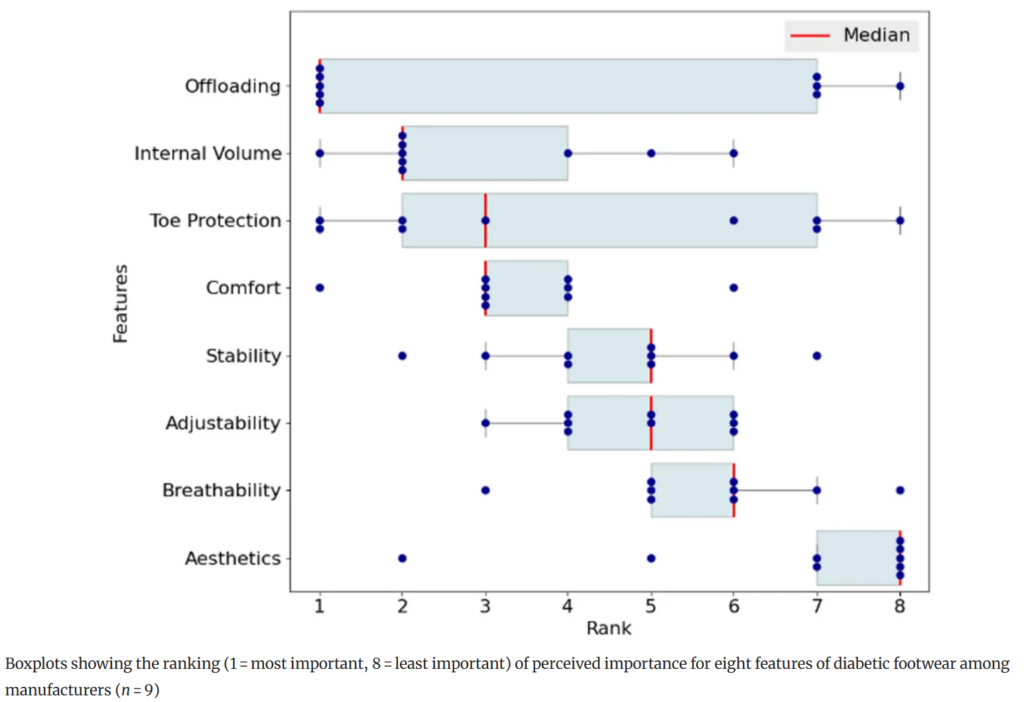
- Shared priorities: Both groups ranked offloading and proper fit among the most important features of diabetic footwear.
- Aesthetic limitations: Despite clinicians frequently reporting that poor aesthetics reduce patient adherence, appearance was ranked among the lowest design priorities.
- Material dominance: Ethylene-vinyl acetate (EVA) was the most commonly used midsole material, although evidence on biomechanical performance and material optimisation remains limited.
- Data-driven design trends: Many manufacturers reported incorporating scientific literature and objective measurements into footwear development, though only half reported having a dedicated research and development department.
- Need for clearer product specifications: Clinicians highlighted the importance of transparent, easy-to-understand technical information (e.g., rocker profile, stiffness properties, toe box dimensions) to improve prescription decisions.
Why This Matters
Footwear adherence is critical to preventing ulcer recurrence, yet barriers such as weight, comfort, cost, and especially aesthetics can undermine effectiveness. By bringing together perspectives from both industry and clinical practice, this study highlights the need for:
- Stronger collaboration between manufacturers and clinicians
- Greater integration of biomechanical evidence into design
- Improved communication of footwear specifications
- Innovation that balances offloading performance with comfort, usability, and sustainability
Ultimately, aligning research, industry, and clinical practice is essential to enhancing the preventive impact of therapeutic footwear and reducing the burden of diabetic foot complications.
Read the Full Study
The full article is available in Acta Diabetologica:
https://doi.org/10.1007/s00592-026-02669-6
We congratulate Hadi Sarlak, Kamran Shakir, and their collaborators on this important contribution to advancing diabetic foot prevention within the DIALECT network.